
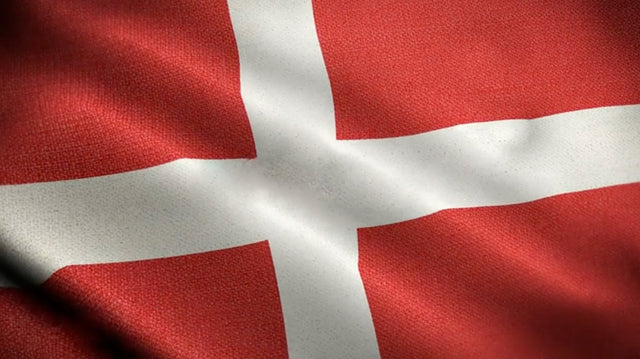
Danish design and wooden toys – a living tradition
Danish design and wooden toys
Danish design is world-class – and it’s not just about architecture and furniture. Denmark also has a strong and proud tradition of designing wooden toys with a focus on function, aesthetics and durability. In this article, we take a closer look at why wooden toys and Danish design go so well together, and how new brands like Woodmee are helping to carry on the legacy.
What exactly is Danish design?
The term Danish design originated in the mid-20th century and describes a style characterized by functionalism, simplicity and minimalism. It is about putting the human at the center – and not letting ornamentation or unnecessary complexity dominate.
Designers like Arne Jacobsen, Børge Mogensen and Hans Wegner became world-renowned for their ability to create functional and beautiful furniture. And this very approach – with a focus on function, usability and honest materials – also spilled over into toy design.
The Danish roots of wooden toys
Wood has long been a preferred material in Danish toys. Not just because it is durable and pleasant to the touch – but because it signals calm, security and presence. Some of the most iconic Danish toy brands have had wood as their basic material:
- LEGO started in 1932 with wooden toys and later introduced the BILOfix brand, which was built on the same principles of buildability and creative freedom.
- Kay Bojesen once designed wooden toys – however, figures such as the monkey, the bear and the guard eventually became more collectibles than playmates.
Other notable brands include:
- Dantoy is known today for plastic toys, but many remember their red-and-blue children's motorcycle as a classic in Danish farms and gardens.
- Hama (beads),
- PlusPlus (building blocks),
New classics in Danish toys
Today, a new generation of Danish toy brands is emerging, continuing the tradition of quality, function and aesthetics. Here are some of them:
- Woodmee – free, creative construction with wooden parts in Danish design. Not based on fixed models – but on free play and imagination.
- MODU – large-format foam blocks that allow children to build and move at the same time.
- Crateit – Paint your own wooden puzzles.
- Fablewood – magnetic wooden animals that combine play and design objects.
- Funen Wooden Toy Factory – classic and beautiful wooden products.
What these brands have in common is that they respect the child's imagination and freedom rather than dictating the direction of play.

Play as a way of life – why Denmark is special when it comes to toys
It's no coincidence that so many beloved toy brands come from Denmark. It's not just about Danish design – it's also about our way of looking at childhood, pedagogy and community.
In Denmark, play is not just something children do for fun. It is something we as a society recognize as important. Play is learning. Play is freedom. Play is education.
This is evident in our daycare centers, which since the 1960s have been characterized by a pedagogical focus on free play rather than discipline. In Denmark, we have a long tradition of giving children space – literally – to create and understand the world through their own hands.
All of this also permeates Danish toy design . It is not just a tradition – it is a design philosophy where the child and their experience are at the center. That is why our toys are rarely over-controlled. It invites the child to decide for themselves what they should be.
Today, this tradition continues in new forms. From LEGO to WoodMee®. We continue to build. Not just with bricks – but with ideas, values and respect for the freedom of childhood.
Toys should live – not be hidden away
The biggest enemy of any toy is not time – but being hidden away.
Once something goes into a drawer, it collects dust. It gets forgotten, unused – and the next stop might be the garbage. That's a shame, especially if the toy actually has the potential to provide joy for many years.
That's why we at Woodmee® believe that good toys should be so beautiful and entertaining that they should be displayed. On the shelf. In the children's room. In the living room. Because when they're displayed, they're used more. They're accessible. They invite play.
It is both a design philosophy and a philosophy of use . We make toys that you don't have to hide away. Because they are created from natural materials, with an eye for aesthetics and with room for imagination.
Best regards
Jesper, WoodMee®